Illegal_cinema
SESSION 122, ILLEGAL _CINEMA
by
-
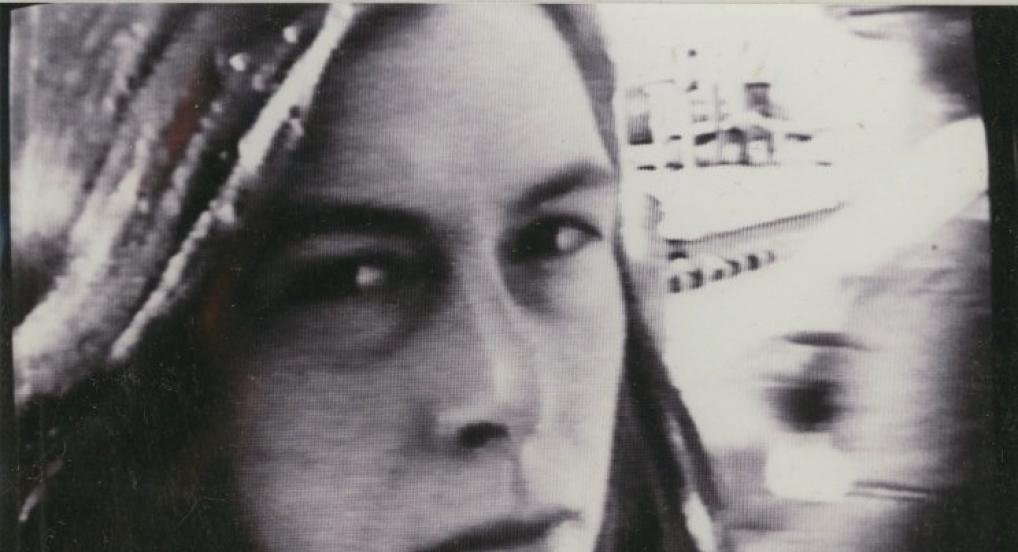
Anne Charlotte Robertson
-
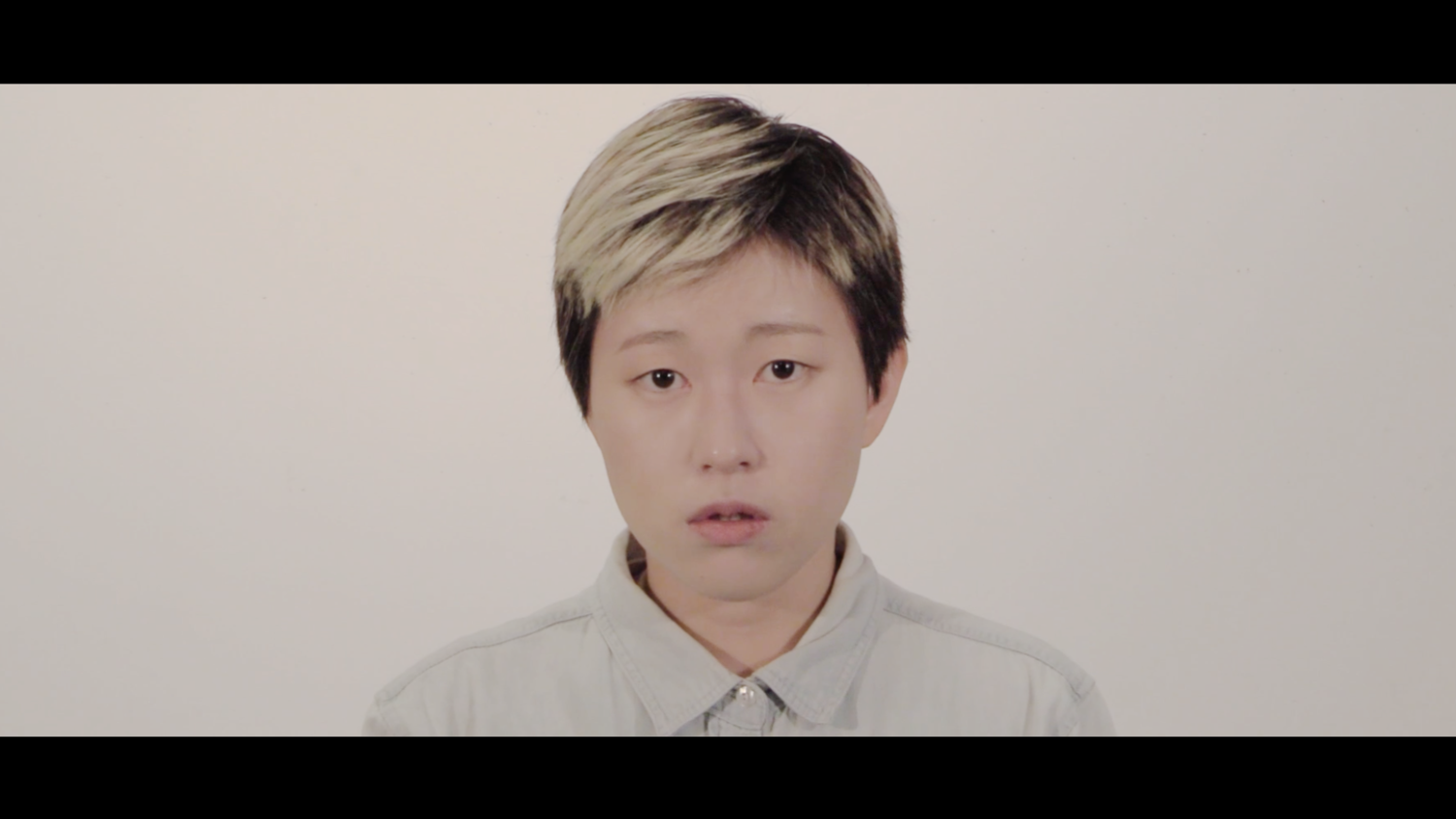
Guava (Ji Yoon) Rhee
Screening of short films by Anne Charlotte Robertson and Guava (Ji Yoon) Rhee, followed by a discussion. Session proposed by Marina Massidda and Julia Martos to mark the transition of coordination.
What moves me about Anne Charlotte Robertson (1949-2012)’s cinema is her complete detachment from external validation. She makes films for herself, in order to survive. Not out of ego, but because of the psychological circumstances that shape her experience of the world. She filmed for fifteen years in the same way that she ate or drank. When her cameras broke, she would ask for replacements while figuring out how to finance herself; she filmed her garden, her cat, her romantic obsessions and her bulimia. She filmed as a form of self-therapy. Quite simply, she did not know how to live any other way.
Guava (Ji Yoon) Rhee, by contrast, rejects the pursuit of validation outright through confessional autobiography. Oscillating between an acerbic and nostalgic tone, she reconfigures the ambivalent experiences of her romantic relationships in a way that intersects with her displacement from South Korea to the United States. She combines recordings of herself with domestic footage and 3-D renders, materially reproducing the alienation undercurrenting her Korean diasporic experience and queer desire. Guava currently pursues her multidisciplinary artistic and curatorial practice in Philadelphia, USA, where she teaches at the Stuart Weitzman School of Design at the University of Pennsylvania.
Marina Massidda Serra (Cambridge, Massachusetts, 1995) is an artist and researcher whose work explores the intersection of painting and new media. She holds degrees in Studio Art from Dartmouth College, Cinema & Media Studies from the University of Southern California, and Painting from the University of the Basque Country (EHU). She has presented solo exhibitions at Torre de Ariz (Basauri, 2024) and ANTI Liburudenda (Bilbao, 2026). She currently combines her artistic practice with doctoral research on new realisms in the technological age.
Julia Martos (Córdoba, 1989) is an artist, programmer and researcher based in Bilbao. She is interested in archival practices and their narrative and exhibitionary potential. In 2021, she completed her postgraduate training in Film Programming and Curating at Birkbeck, University of London, supported by a Curating and Management Grant from the Fundación Botín. She is currently developing her doctoral thesis on feminist reinscriptions in documentary cinema made using family film archives.